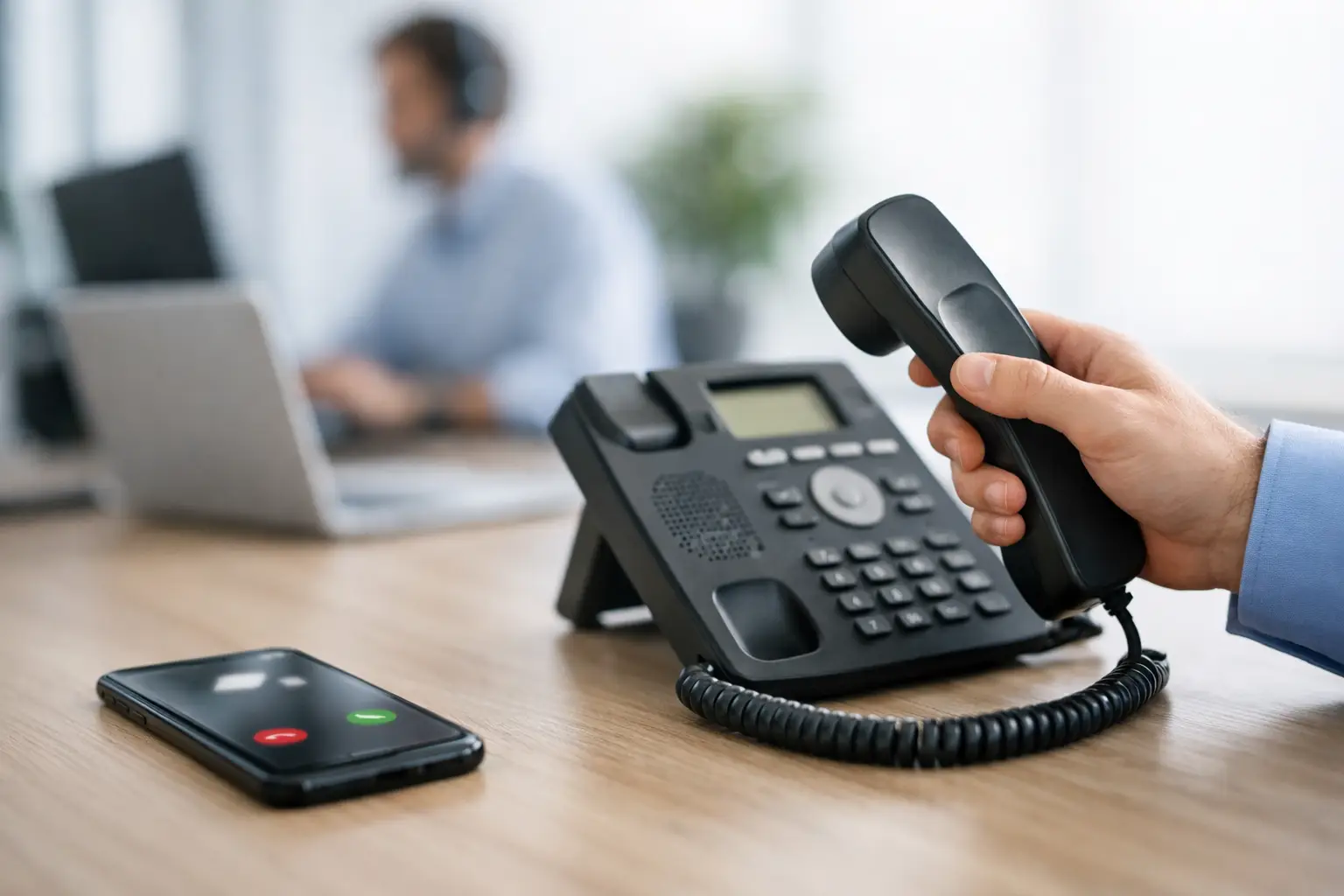
A homeowner with a leaking water heater does not wait around for a callback. They call the next company. The same thing happens when an insurance prospect calls during lunch, when a technician is under a house, or when your office closes at 5 and the phone rings at 5:07.
If you are figuring out how to stop missed calls, start with the real problem: an unanswered call is not an admin issue. It is a lead that found you, raised their hand, and may now be buying from somebody else. Most businesses do not need more leads before they fix that leak.
Find out where calls are getting lost
Owners often underestimate missed calls because the main office line looks busy and the team feels busy. Those are not the same thing as every caller getting an answer. Pull 30 days of call data from your phone provider and look at more than total call volume.
You want to know how many calls went unanswered, when they came in, how long they rang, and whether anyone returned them. Separate first-time callers from existing customers if you can. A missed call from a vendor matters less than a missed call from a new customer who needs an emergency repair.
Patterns show up quickly. Maybe calls are missed from 11:30 a.m. to 1:00 p.m. while the front desk is at lunch. Maybe your sales team lets calls roll over while they are on the road. Maybe the biggest gap is evenings and weekends, when paid ads are still running but nobody is scheduled to answer.
Do not assume every missed call was unavoidable. If 20 calls go unanswered each week and even five of those would have become $500 jobs, that is $2,500 in weekly revenue walking away. The exact number depends on your close rate and average ticket, but the math is usually enough to get attention.
How to stop missed calls during business hours
The fastest fix is not adding a complicated phone system. It is deciding exactly who owns the next call when the first person cannot take it.
Build a real call coverage plan
“Everybody answers” sounds good until everybody is busy. Give each block of the day a named primary person and a backup. If the primary is helping a customer, on a job, or out of the office, the call should move to the backup after a short number of rings.
For a five-person shop, this may be as simple as having the owner or dispatcher cover calls during lunch. For a larger office, it may mean rotating coverage between customer service reps. What matters is that the rule is clear enough to follow on a hectic Tuesday.
Avoid routing calls through a chain of four or five people. Long ring times make callers hang up, and too many transfers create confusion. The best path is usually the shortest one: answer live, identify what the caller needs, and either book the job or get the right person involved.
Protect the person answering the phone
A front-desk employee cannot answer every call if they are also expected to process invoices, handle walk-ins, schedule crews, and chase down parts. That is not a performance problem. It is a workload problem.
Give the phone first priority during your highest-value call windows. Move work that can wait to slower periods. If your office gets slammed from 8:00 to 10:00 a.m., do not schedule the person responsible for calls into a meeting at 8:30.
This is also where a simple script helps. The goal is not to turn your team into telemarketers. It is to make sure they collect the name, service need, location, urgency, and best callback number before the conversation ends. A good call that does not get booked still needs a clear next step.
Set a missed-call callback standard
Even with solid coverage, some calls will slip through. The difference is what happens next. Set a response standard that your team can actually meet. For many service businesses, returning a missed new-customer call within five minutes during business hours is a strong target.
That does not mean every callback will connect. It means the caller hears from you before they have had time to contact three competitors. If they do not answer, leave a short voicemail and try again. A text message can help when it fits your business and the caller has consented to receive it.
Track the time from missed call to first return attempt. “We call people back quickly” is hard to improve. “Our average return attempt takes 42 minutes” gives you something to manage.
Cover the calls that come after closing
After-hours coverage is where many businesses lose the most valuable calls. Emergency home-service needs do not follow office hours. Neither do people comparing insurance quotes after work or prospects who finally have time to make decisions at night.
A voicemail box is better than a dead line, but it is not coverage. Most callers will not leave a detailed message, especially when they are stressed or in a hurry. A long greeting that asks them to call back tomorrow is effectively telling them to keep shopping.
Your after-hours plan should match the kind of work you sell. An emergency plumber may need live triage and an on-call dispatch process. A roofing company may only need to capture the lead, answer basic questions, and schedule an inspection for the next available opening. An insurance agency may need to identify the product, collect the prospect's details, and set a time with a licensed agent.
The trade-off is cost and complexity. Paying staff to cover every night can make sense for high-ticket emergency work, but it may not make sense for every business. A dedicated answering service can fill gaps, though quality varies and generic agents often cannot qualify callers or book into your actual calendar.
An AI receptionist is another option when it is set up around your operation, not dropped in as a generic chatbot with a voice. It can answer every call, gather the details your team needs, handle common questions, and book qualifying callers while your office is closed. Relay by Cactus AI provides this as a managed service, which matters when you do not have time to babysit another piece of software or troubleshoot phone routing yourself.
The test is simple: does the caller get a useful answer and a real next step? If not, the system is not solving the missed-call problem.
Make booking easier than taking a message
Too many businesses treat every inbound call like a message-taking exercise. The caller explains the problem, someone writes it down, and the office promises to call later. That adds delay at the exact point when the buyer is ready to act.
When appropriate, let the person answering book the appointment directly. Give them access to the schedule, clear service areas, pricing guardrails, and rules for urgent jobs. If a job needs a sales rep or technician to qualify it first, set up a warm transfer path instead of asking the caller to wait for another callback.
Be realistic about what should and should not be booked automatically. A standard maintenance visit is straightforward. A large commercial project, a complex claim, or a call that requires licensing advice may need a human review. The point is not to force every caller through the same process. It is to remove unnecessary handoffs.
Measure recovered revenue, not just answer rate
Answer rate is useful, but it can hide problems. A team can technically answer 95% of calls while putting people on hold too long, failing to return abandoned calls, or collecting leads that never get contacted.
Review a small set of numbers every week: new inbound calls, answered calls, abandoned calls, missed calls returned within your standard, appointments booked, and jobs sold from phone leads. If you run paid ads, compare call volume and booked jobs by campaign. A call source that produces fewer calls but more booked work deserves more attention than one that only makes the phone ring.
Listen to a few calls as well. You will hear issues that reports miss: a rushed greeting, a confusing transfer, a scheduler who never asks for the appointment, or a caller whose urgent need gets treated like a routine inquiry.
Start with the next 48 hours
You do not need a six-month project to reduce missed calls. Over the next two days, pull your recent call report, identify the biggest coverage gap, assign a backup person, and set a callback standard. Then fix the after-hours gap based on the value of the calls you receive.
The phone is often the closest thing a service business has to a cash register. When it rings, the customer has already done the hard part: they found you and decided to ask for help. Make sure someone is there to turn that moment into a booked job.