The missed call that hurts most usually does not happen at noon when the office is fully staffed. It happens at 6:12 pm when the team is wrapping up, or at 9:40 pm when a homeowner finally has time to call, or during a morning rush when everyone is already on the line. That is where business phone intake automation earns its keep. Not as a flashy add-on, but as a way to stop losing booked jobs, qualified leads, and real revenue to basic call handling gaps.
For a lot of service businesses, intake is still held together by whoever happens to be available. The office manager answers when she can. A CSR takes notes on a sticky pad. A salesperson calls back later and hopes the lead still picks up. That system works right up until volume spikes, someone calls out sick, or the phone rings after hours. Then it breaks, and revenue leaks out quietly.
What business phone intake automation actually does
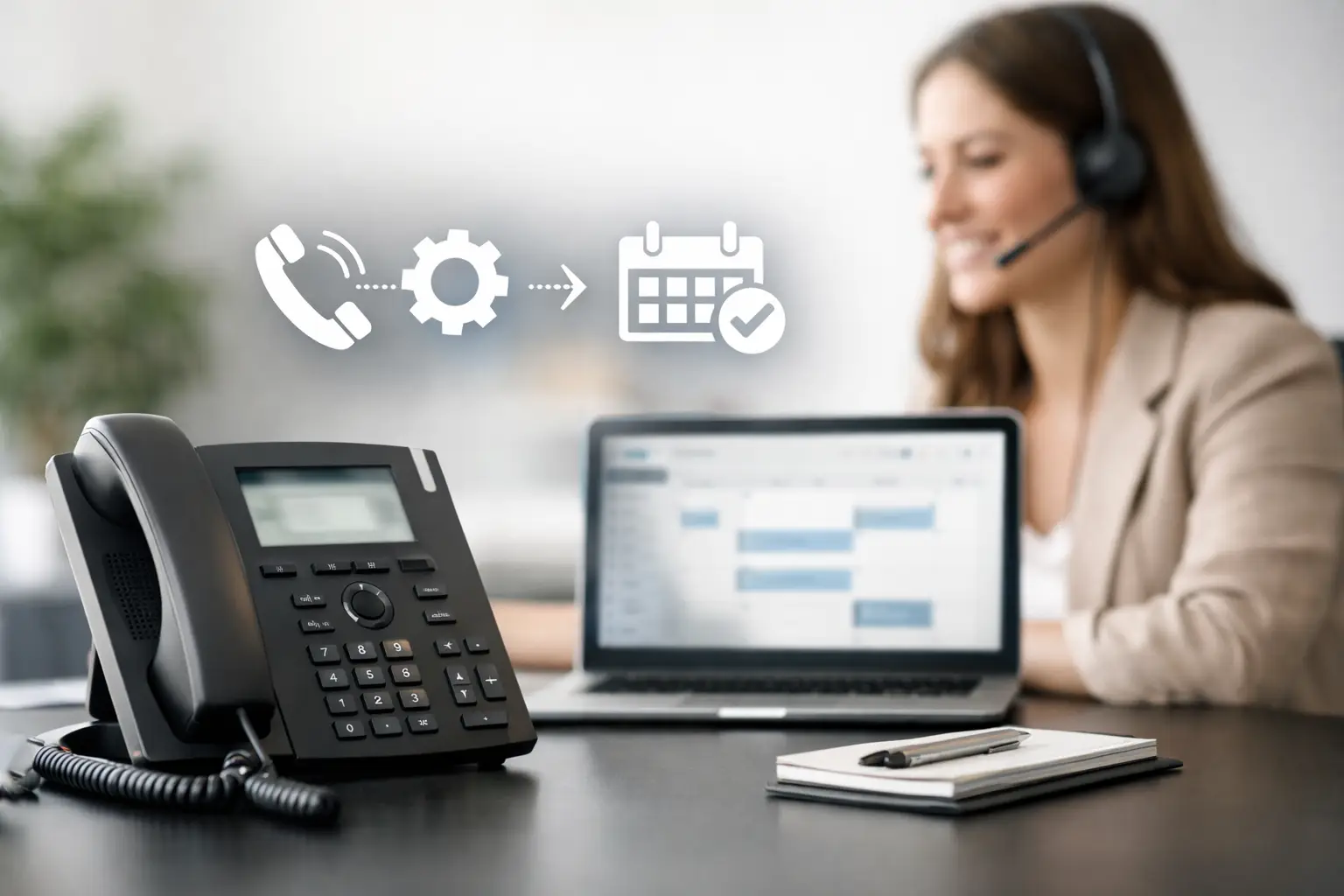
At a practical level, business phone intake automation answers inbound calls, gathers the right details, qualifies the caller, and routes the next step without needing a person to pick up every time. Depending on the business, that next step might be booking an appointment, collecting job details, transferring a hot lead to a rep, or taking a clean message when the call is not worth escalating.
The key is not just answering the phone. Plenty of systems can do that poorly. The real value is moving the call forward in a way that matches how the business already operates. If you run HVAC, that may mean identifying whether the caller has no cooling, getting their address, and booking the first available slot. If you run an insurance agency, it may mean qualifying the prospect, filtering out bad fits, and sending a warm transfer to a producer while interest is still high.
That is where owners should get more demanding. If automation just creates another inbox to check, it is not fixing intake. It is shifting the mess somewhere else.
Why businesses adopt phone intake automation
Most owners do not wake up wanting automation. They want fewer missed opportunities and less wasted payroll.
The trigger is usually one of three things. First, too many calls go unanswered during busy hours, nights, weekends, or lunch breaks. Second, the team spends too much time on low-value calls that never turn into jobs or policies. Third, follow-up is inconsistent, so good leads go cold before a human ever gets back to them.
Business phone intake automation solves those problems best when the phone is a revenue channel, not just a support line. If calls lead to booked jobs, estimates, appointments, or sales conversations, every missed or mishandled call has a cost. Owners know this instinctively. They may not know the exact number, but they feel it when the schedule has holes or when ad spend keeps rising without enough jobs on the board.
There is also a headcount reality. Hiring more front office coverage is expensive, and it does not fully solve after-hours demand. Even a strong office team cannot answer every call at once. Automation gives you coverage without requiring a bigger bench for every peak hour.
Where it works best and where it does not
This is not for every business.
It works best in companies that deal with repeatable call flows. Home service trades are a good example. So are agencies and sales teams that need fast lead qualification and routing. In these environments, the first few minutes of the call usually follow a pattern. Who is calling, what do they need, where are they located, how urgent is it, and should this be booked, transferred, or declined? When that pattern exists, automation can handle a large share of intake reliably.
It is less useful when every call is highly nuanced from the first second, or when the business has not defined what a qualified lead looks like. If your team itself cannot explain how calls should be triaged, automation will not save you. It will simply expose the lack of process.
That is an important trade-off. Good phone intake automation depends on a good operating model. The better your rules are, the better the outcome. The weaker your process is, the more cleanup you create.
The difference between answering calls and booking revenue
A lot of vendors sell the idea of never missing a call. Fine. But answering is the floor, not the goal.
The goal is booked revenue.
That means the intake flow has to do more than greet the caller. It needs to collect usable information, keep the conversation moving, and create a real handoff. If the caller is ready now, the system should book the job or appointment. If the lead is sales-qualified, it should route them to the right person immediately. If the call is spam, a solicitor, or someone outside your service area, it should not waste your team’s time.
This is where owners should look closely at how performance is measured. Talk time alone does not matter. What matters is how many calls turned into scheduled work, qualified transfers, and cleanly captured opportunities your team can actually close.
A missed call is obvious. A badly handled call is harder to spot, but it can cost just as much.
What to look for in business phone intake automation
Start with the basics. Can it answer 24/7? Can it follow your intake script? Can it book into your actual calendar or dispatch flow? Can it transfer live when needed? Those are table stakes.
After that, the real question is operational fit. Does it handle the way your business sells and books? Can it distinguish an emergency from a routine inquiry? Can it collect the fields your team needs without turning the call into a clunky questionnaire? Can someone monitor performance and tighten the flow over time?
That last part matters more than most buyers expect. Intake is never perfect on day one. Call patterns change. Offers change. Staff availability changes. A service-based setup often works better than self-serve software for that reason. Most owners do not want another dashboard. They want calls answered correctly and results improving over time.
If you are comparing options, ask simple questions. How long does setup take? Who adjusts the call flow when something is off? How are bad transfers reduced? How do you measure booked appointments, qualified calls, and recovered revenue? If the answers drift into vague AI talk, keep moving.
Common mistakes when rolling it out
The biggest mistake is trying to automate chaos. If your intake process lives in five people’s heads and changes every day, fix that first. You do not need a giant operations manual, but you do need a clear definition of what should happen on a call.
The next mistake is aiming too broad. Start with a narrow use case that matters. After-hours inbound is a good one. Overflow coverage during busy periods is another. Once that works, expand into more call types.
There is also a trust issue. Some owners assume callers will reject automated phone handling outright. Sometimes that happens, especially if the experience is stiff or confusing. But most callers care less about who answers than whether they get helped quickly. If they can explain what they need, get a time booked, or reach the right person without waiting on hold, the experience is often better than what they were getting before.
What good results look like
Good results are not abstract. They show up in the daily numbers.
You see fewer missed calls after hours. More appointments hit the calendar without staff touching every single one. Sales reps spend less time dialing dead leads and more time taking warm transfers. Office staff get relief from repetitive call volume and can focus on exceptions, customer issues, and dispatch coordination.
Just as important, the business becomes easier to run. Owners stop worrying that every lunch break, holiday, or late-night call is a lost job. That peace of mind matters, but it only matters because it ties back to revenue.
For the right business, business phone intake automation is not about replacing people. It is about putting people where they count most and making sure the phone does not become a leak in the operation. Relay by Cactus AI is built around that idea - answer the call, qualify it, and move it toward revenue without adding another tool the owner has to babysit.
If your phone still depends on whoever happens to be free, that is probably your next bottleneck. Fixing it does not need to be complicated. It just needs to book more of the work you are already paying to generate.